The Consultation
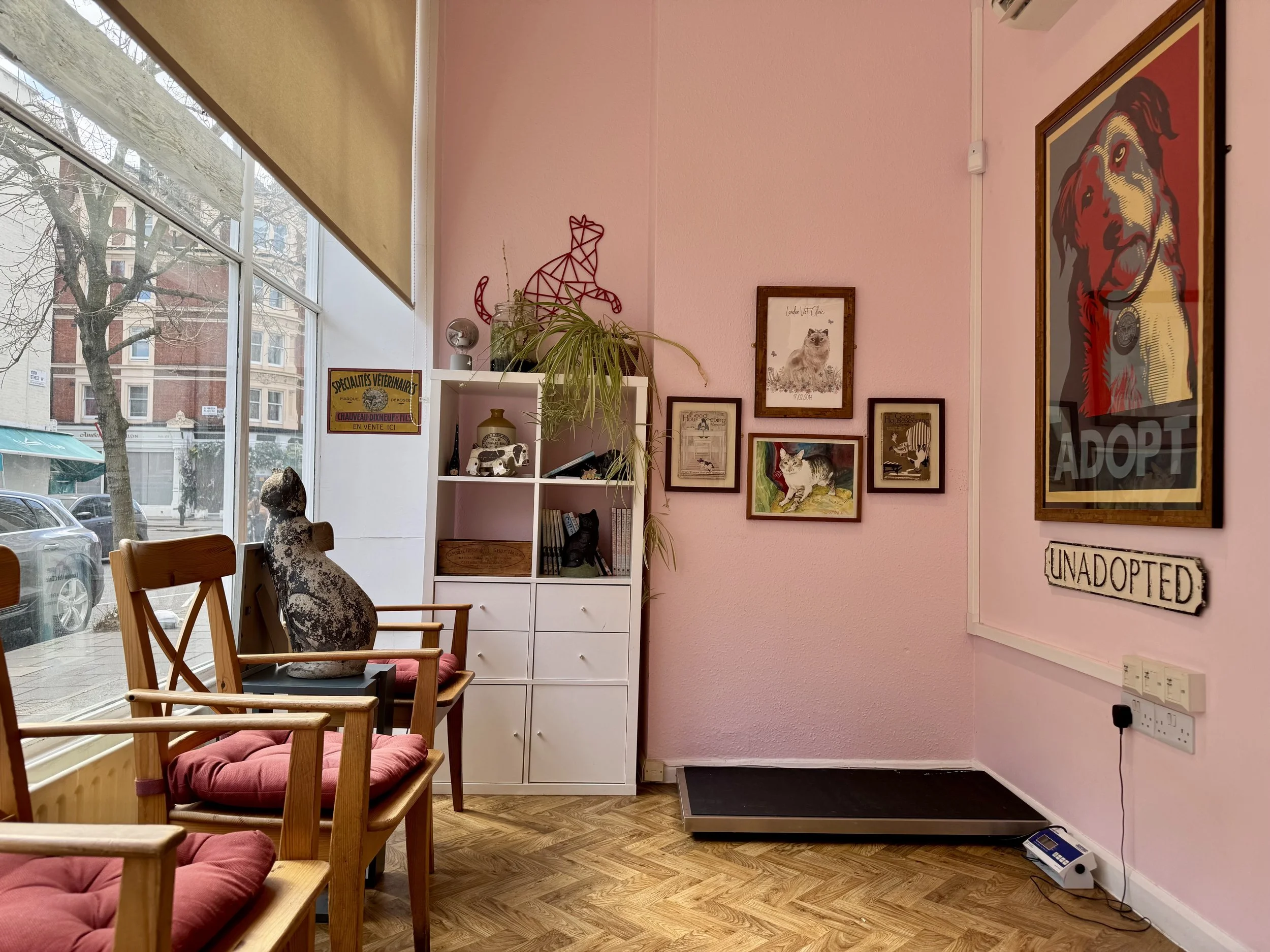
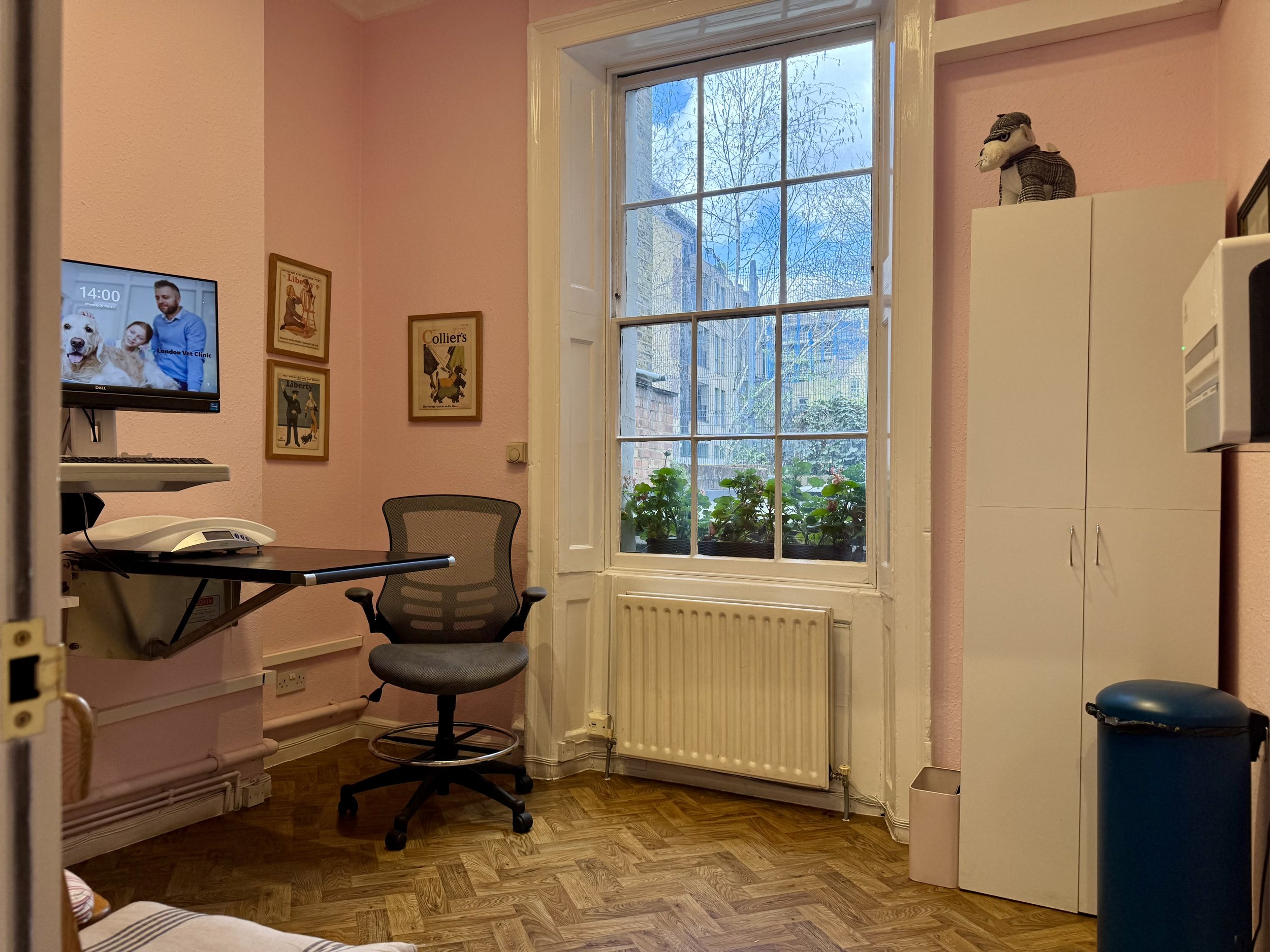
Neurology consultations with London Veterinary Neurology take place at York Street in Marylebone, hosted within London Veterinary Clinic.
The consultation is a central and highly valuable part of the care pathway. It gives clients and referring veterinarians direct access to John’s neurological experience and expertise and allows time for careful history-taking, neurological examination and discussion of diagnostic and treatment options.
When further investigation or treatment is required, the consultation establishes continuity of care. John interprets imaging and other diagnostic tests, advises on management and, where appropriate, performs surgery. This approach ensures consistency in clinical decision-making and avoids fragmentation of care.
For some patients, the consultation alone clarifies the diagnosis and guides management. For others, it leads to a clear and considered plan for further investigation or treatment, tailored to the individual patient and discussed in detail with their carer.
Diagnostic Testing
Diagnostic testing forms an important part of neurological assessment when the history and neurological examination do not provide sufficient information.
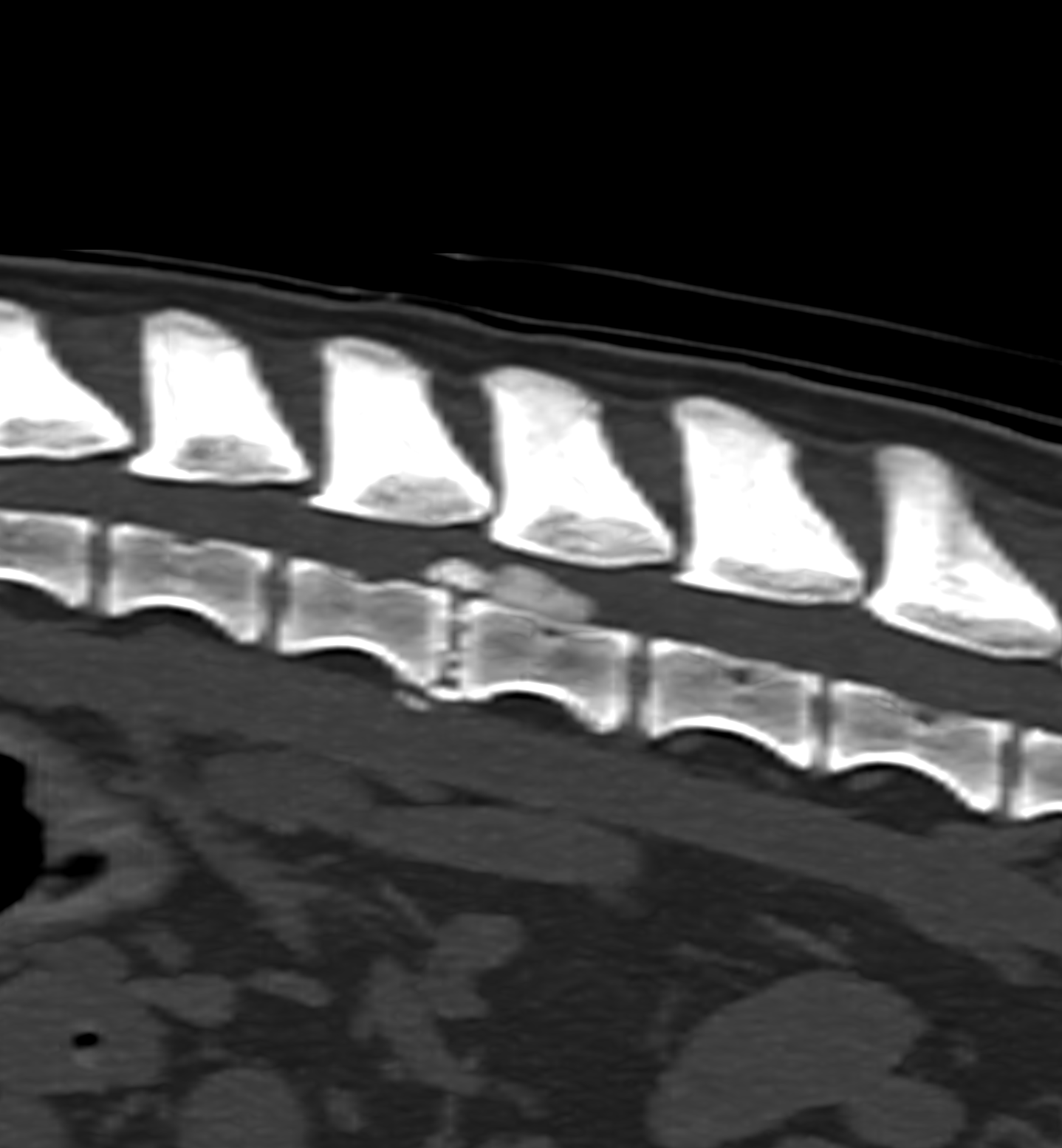
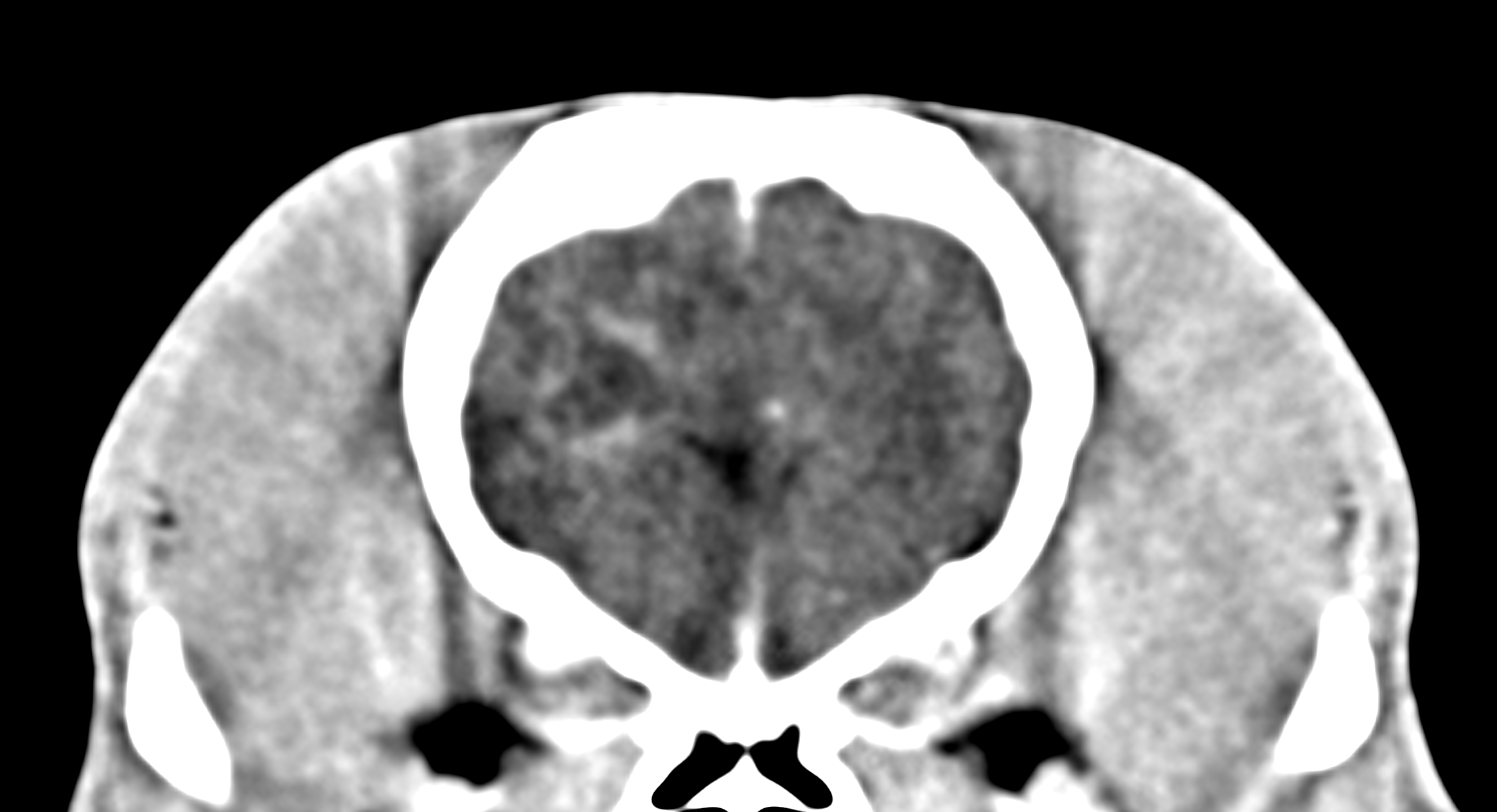
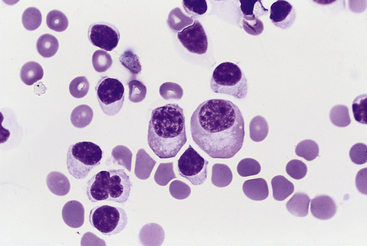
Advanced imaging and specialist investigations are often required to establish a neurological diagnosis. These may include CT, MRI or cerebrospinal fluid sampling and are arranged at trusted partner hospitals with appropriate facilities for neurological patients.
In some cases, it is possible and entirely appropriate for diagnostic tests to be performed at the patient’s local veterinary practice. John works closely with referring veterinarians to determine which investigations can be carried out locally and which are best performed within a referral setting. This approach minimises travel stress and avoids unnecessary duplication of tests.
John interprets all diagnostic findings in the context of the patient’s clinical presentation and history. He discusses results in detail with clients and communicates them clearly to the referring veterinary surgeon as part of an integrated care plan.
Surgical Services
Surgical treatment is offered where clinical assessment and diagnostic testing indicate that surgery is likely to provide meaningful benefit. Decisions regarding surgery follow careful discussion of risks, likely outcomes and alternative management options so that clients can make informed choices. Recommendations are tailored to the individual patient.
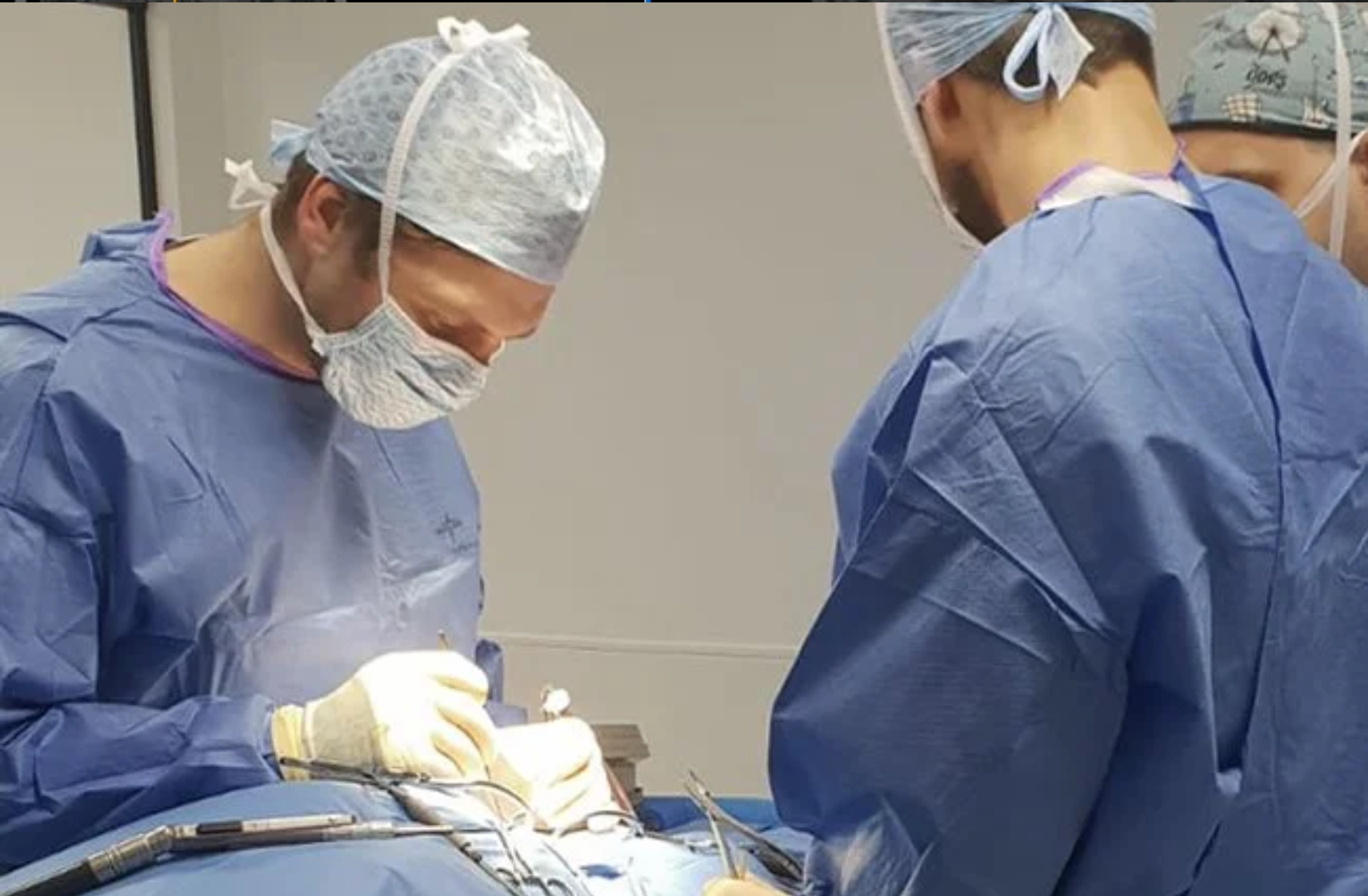
All surgery is planned and performed by John. He assesses the patient, reviews diagnostic imaging and determines the optimal surgical approach. He remains responsible for post-operative decision-making. This process ensures continuity of care from initial consultation through recovery.
Surgical procedures are carried out within established partner referral hospitals with appropriate facilities for anaesthesia, peri-operative monitoring and inpatient care. This model allows patients to benefit from high-quality hospital support while maintaining consistent clinical leadership.
Clear post-operative guidance is provided following surgery and John remains involved in follow-up and ongoing care where appropriate.
Continuity of Care
Continuity of care is central to the London Veterinary Neurology model. Clinical responsibility remains with a single clinician from initial consultation through investigation, treatment and follow-up. This ensures consistency for clients and referring veterinarians and avoids the fragmentation of care that can occur when responsibility is distributed across multiple teams or individuals.
John assesses the patient, interprets diagnostic results, advises on management and, where appropriate, performs surgery. He revisits decisions as new information becomes available and care proceeds in a logical and coordinated way. This approach ensures clear communication, shared understanding and carefully considered choices.
Clinical decisions are made by weighing risks, benefits and uncertainty rather than following fixed rules. Diagnostic and treatment recommendations are therefore based on the best available evidence, the individual patient’s circumstances and a careful assessment of likely outcomes. Options are discussed openly so that clients can make informed decisions that reflect both medical considerations and personal priorities.
This model mirrors private healthcare in human medicine. It supports thoughtful and proportionate care by allowing time for discussion and providing continuity of judgement and a clear point of responsibility throughout every patient’s journey.